
We love jersey t-shirt because we feel comfortable while wearing them, It’s simple, casual, comfortable and true to yourself, easily match to your collections. You can laid on the sofa watching TV with a t shirt and short.
Women’s shirts have more style and designs than men’s shirts. From the sleeve length we can divide to long sleeves, short sleeves and muscle tees. From the styles divide to slim fit, normal fit, loose fit. We can see blank t shirts, graphic tees, tie-dye tees, acid wash tees in different materials.
We suggest you buy the shirts made of Cotton or Cotton blend or other nature fabric, those t shirts cool and good for your skin. You need to buy preshrunk t-shirts to avoid shrinking while washing. The t shirts makers can preshrunk cotton material in advance to make this possible, but price maybe higher than normal t shirts.
It’s quite different in size measurements from different brand and style. Usually one brand shirt size charts are the same. If you got the perfect fit then got right t-shirt sizing, you just buy from them again. If you are buying from a physical apparel store that will be good and easily get the right size while try it on yourself. The buying channel is changing to buy clothing online now, there are many funny tee shirts, so how you can get your right size then? Don’t worry, I will guide you how to measure the t-shirt size measurement, how shirts are measured in clothing factory.
We will take Men’s graphic t shirt size charts for example here. Laid the t-shirt in flat, measurements lying flat use measuring tape to measure size charts. It’s important to get the chest, waist and bottom width right, it fits your basic body shape. Then you can decide buy shirts in classic fit vs regular fit, slim fit vs regular fit easy.
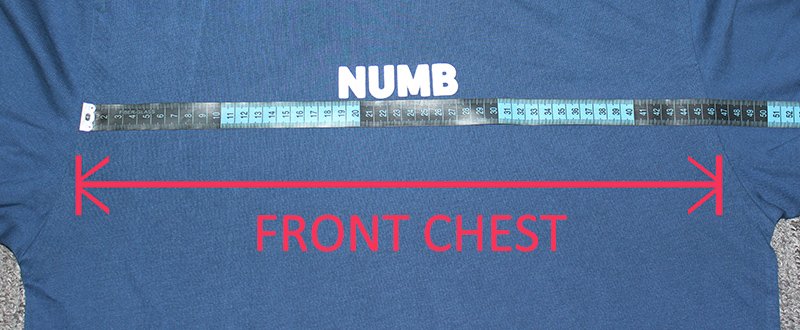
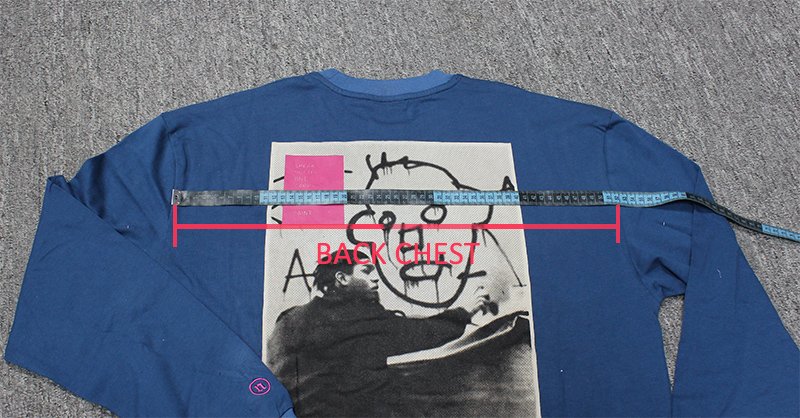
Chest measurement: body width from arm hole point to point, across the chest.

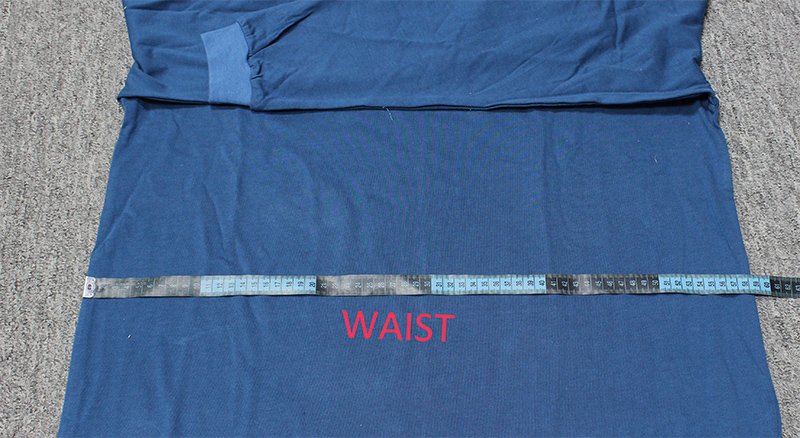
Waist measurement: waist area about 17cm down from arm hole, measure from one side seam to other side seam. For men’s t shirt usually straight line, for women graphic tees the narrowest part it is.
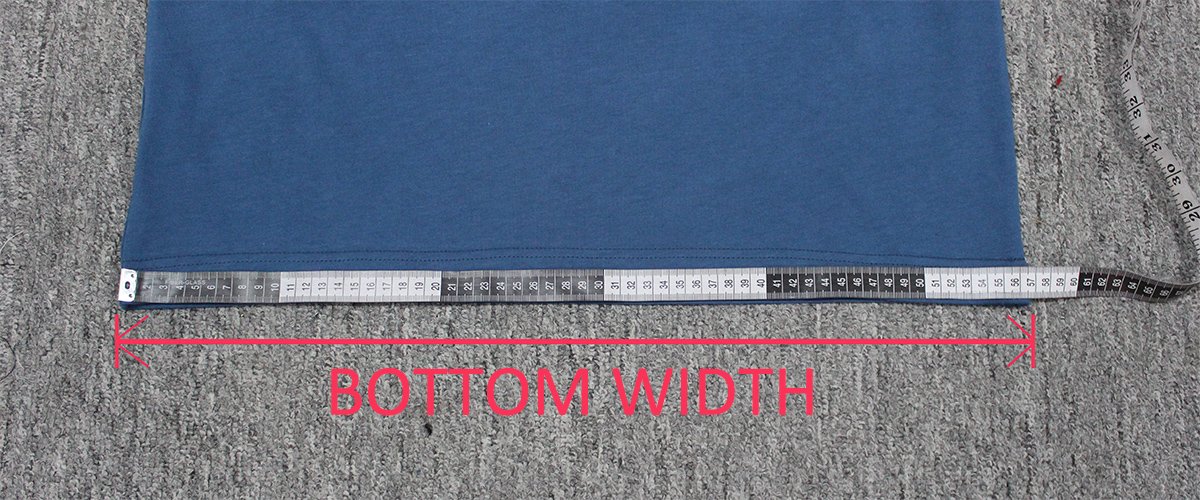
Bottom width: bottom hem edge of the t-shirt. Measure from left bottom seam to right seam
Shoulder width measurement: shoulder measurement across from left shoulder seams to same point right shoulder seam.

Sleeve length: long sleeve t shirts (sleeve begins) from shoulder seam to end cuff, usually including rib height, short sleeve from shoulder seam to cuff edge.
Raglan sleeve is different shape, measure from edge of neckline, the sleeves are longer, because include the one shoulder length.

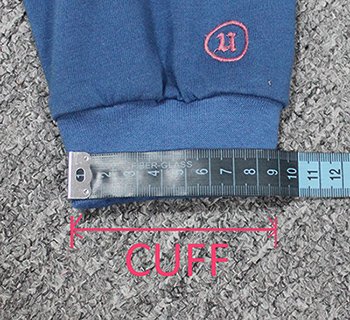
Cuff opening: from sleeve opening edge to edge
Across front width: 17.5cm from HPS (seam to seam)
Across back width: 13cm from HPS (seam to seam)
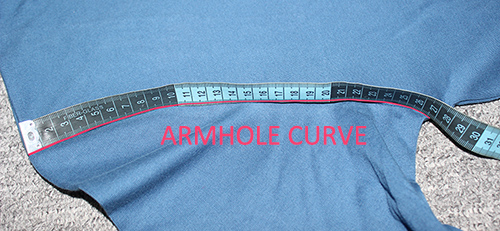
Armhole: connect sleeve, curve from high to low part, other armpit same.
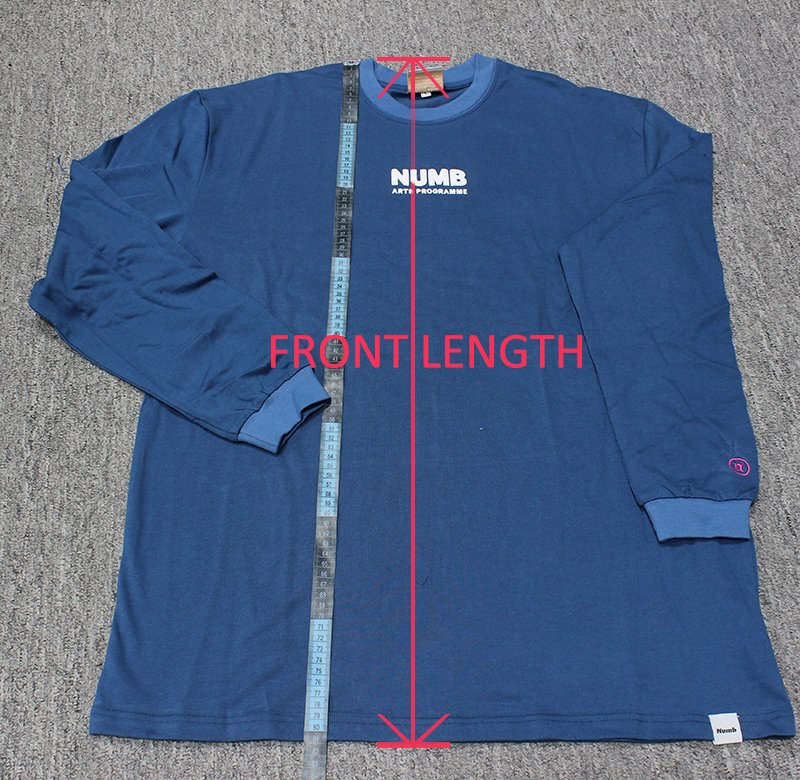
T shirt Length(overall length): measure from the highest point of shoulder to the edge of bottom, some people request for center front length(CF in short), taking measurements from outer edge of front neck to very bottom.
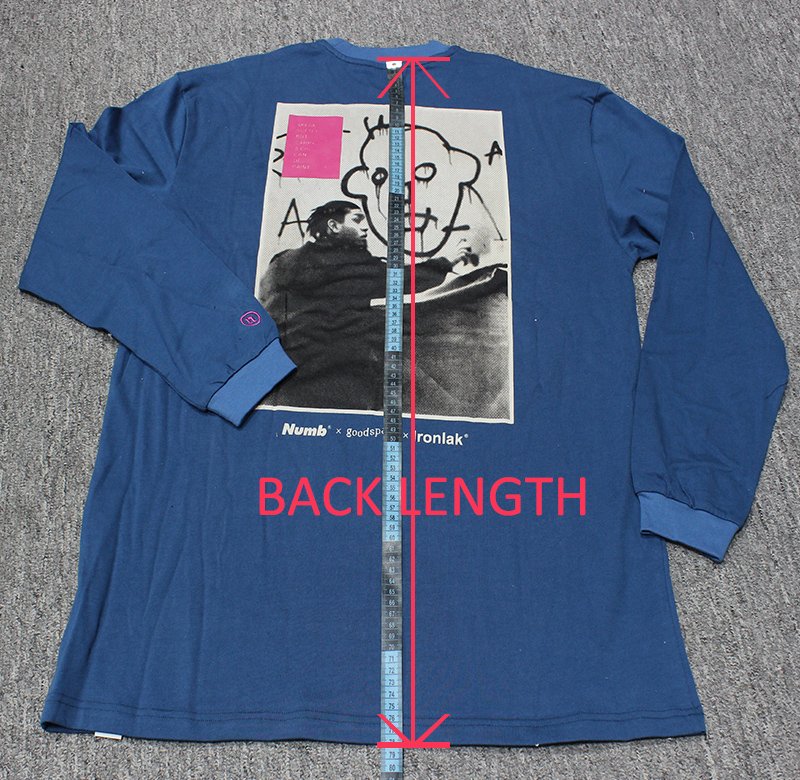
Center back length: Center back to edge of bottom
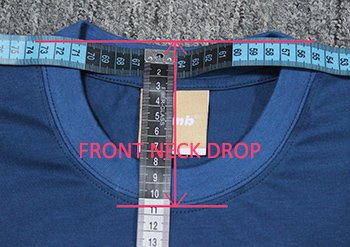
Front neck drop: front high point shoulder or middle of the neck to edge of neck
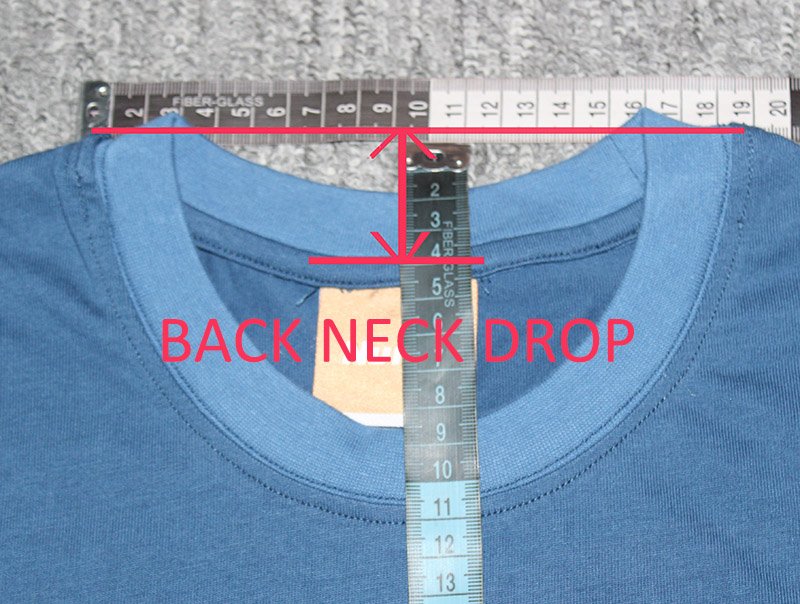
Back neck drop: back high point shoulder to edge of neck
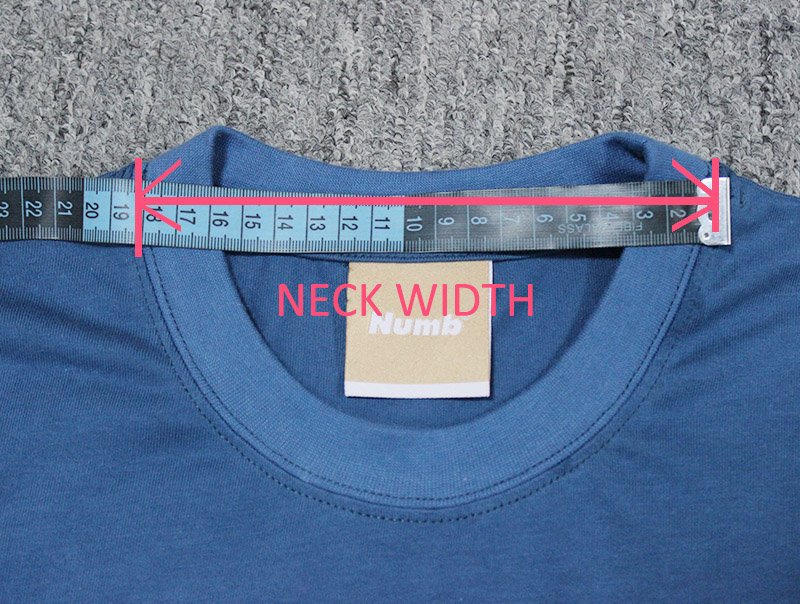
Neck width: from neck seam to seam
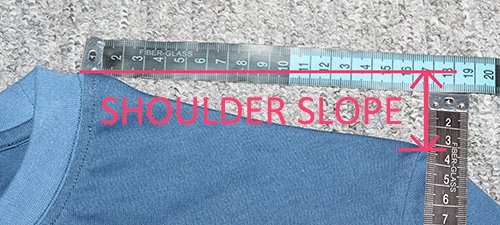
Shoulder slope: HPS to top edge of armhole seam, neck to shoulder shoulder joint part.
If you are looking for specific measurements suit for your body, you need customization t-shirts instead buying stock items. You can easily find custom shirt makers online, many online sellers make personalized t shirts, t shirts printed in bulk.
Men’s standard t shirt size chart for USA market.
Women’s standard t shirt size chart for USA market.
American youth sizes chart
Every measurement on a t-shirt spec sheet has a name, and the designer, the buyer and the people who knit the garment all have to use the same one. These are the measurements you will find on almost every tech pack.
Neck width is measured across the front of the collar, seam to seam, with the t-shirt laid flat. Some spec sheets label it "neck opening width", "neckline width" or "width of neck" — they all mean the same figure. It is taken edge to edge along the collar seam, never around the inside of the neckline.
Neck drop — often written neck depth — is the distance from the high point shoulder (HPS) straight down to the lowest point of the neckline. You measure the front neck drop and the back neck drop separately, because the front is always cut deeper. On a crew neck the back drop is only around 2–3 cm, while the front sits several centimetres lower.
Shoulder width is measured straight across from one shoulder point to the other, seam to seam, with the garment flat. Shoulder slope is the angle of the shoulder line as it falls from the neck out to the shoulder point, and shoulder drop is how far that point sits below the base of the neck. Both are easy to skip and both are what decide whether a shoulder line sits flat or rides up.
Chest width is measured about 2.5 cm (1 inch) below the armhole, flat, seam to seam. Body width — sometimes written "1/2 chest" — is the same figure, and you double it to get the full circumference. When a spec sheet asks for width of shirt or body width for shirt, this is the measurement it wants.
Sleeve length runs from the shoulder point to the sleeve hem; sleeve opening (cuff width) is measured across the flat opening. Total length runs from the HPS straight down to the bottom of the hem — the number that decides whether the t-shirt sits at the waist or the hip.
On knitted cotton a tolerance of about 1 cm either way is normal. Say so on the sheet, so nobody treats a millimetre as a fault.
On a custom order these figures become the spec sheet we work from. Send the measurements in a simple table — point of measure, your sample, and the tolerance you will accept — and the sample can be checked against it rather than against a photograph. If you are still choosing who to work with, the same table is the fastest way to compare clothing suppliers, because it shows whether they read a spec or just agree with everything. When the fit is right, the same numbers carry straight across to our custom tops and the rest of a range.
It means measuring from one seam to the other across a garment laid flat — for example from the left shoulder seam to the right shoulder seam for shoulder width, or across the collar seam for neck width. The full circumference is roughly double the seam-to-seam figure.
Yes. Drop and depth are used interchangeably in the trade. Some factories write front neck depth, others front neck drop; the measurement is identical.
It is the point where the shoulder seam meets the neckline on a garment laid flat. Most vertical measurements — neck drop, total length — start or finish there, which is why it is worth marking on your sheet.
The t-shirt. Fit comes from the garment, and a body measurement will not tell a sample room how much ease, or how loosely the fabric should sit.
Around 1 cm on a knitted t-shirt, and a little more on the length. Anything tighter than that is a stretch for a knit and will slow the order down.
The end
If you have other questions on how to measure a t shirt or other kind of clothes, leave your comments and i will guide you to do that. As a clothing supplier based in China, we custom all kinds of t shirts for brand and private label. If you have any shirts design ideas, please feel free to contact us.